
Game makers
Build their own games.
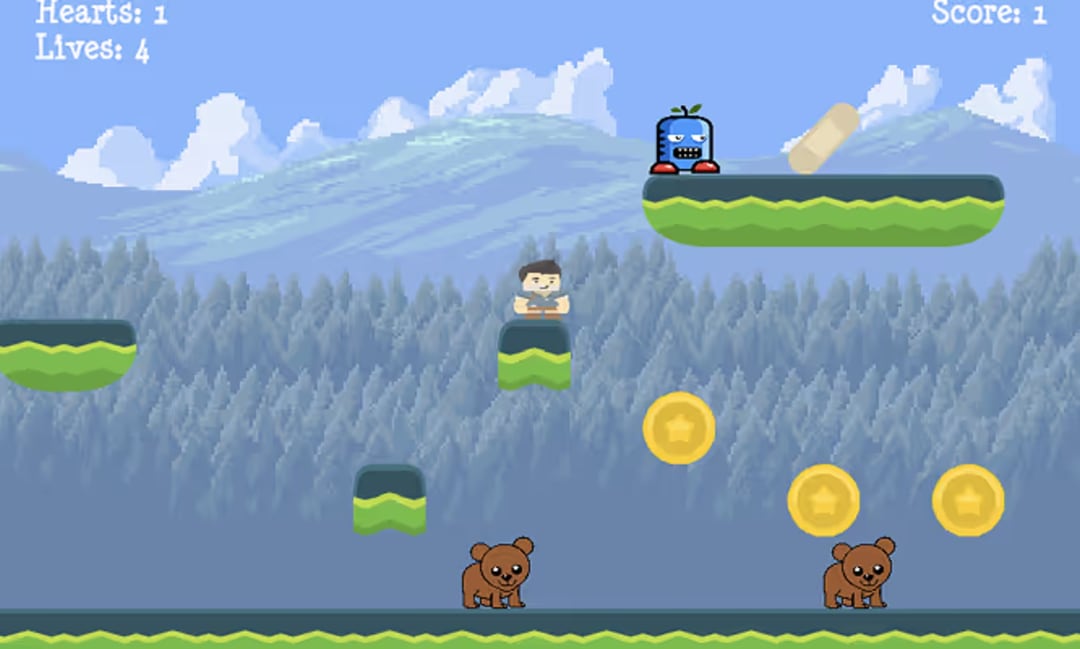
From game design to code, your child learns to design playable games, ship them, and share them. From Scratch to Python, with Roblox Studio and AI agents in between.
ScratchRobloxPython
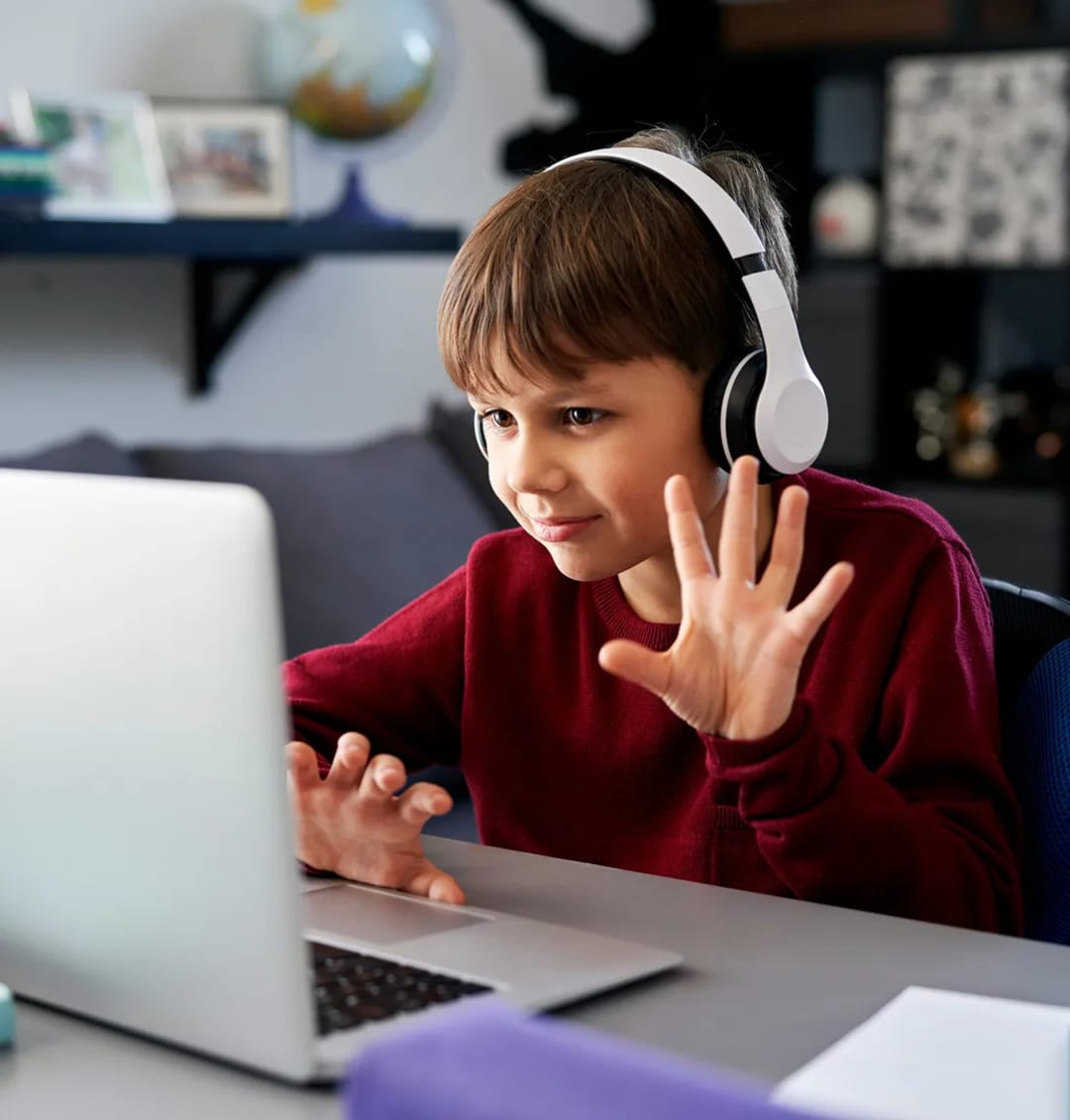
Your child joins a cohort of 8 kids max. Same teacher, same classmates. They learn the foundations of code, then use them to steer AI. Ages 7 to 16.
A fixed weekly time slot, chosen by age group. Online or in-person in Brussels. Your choice.
Commitment
From 6 months
Rhythm
1 class / week
Group
8 kids max
Ages
7 to 16
One method, with tools matched to each age group. From building games to building products with AI, your child progresses at their own pace.
Game makers
From game design to code, your child learns to design playable games, ship them, and share them. From Scratch to Python, with Roblox Studio and AI agents in between.
Young builders
Websites, apps, AI tools: your child turns an idea into a product people can actually use. They think about use, design and launch: the full path from idea to product.
Three plans. You choose the length and how you pay. Everything shown, everything included.
7 – 9 yrs
Your child discovers logic and creativity by building their first games and animations with Scratch, through playful activities suited to their age.
6 months
Semester · 20 sessions
1 year
RecommendedFull year · 33 sessions
1 year in 4x
Payable in 4 instalments (4 × 237.50€) · 33 sessions
Available times · 7 – 9 yrs
Another question? We reply within 24 hours.
Write to us
Classes and free trials run online or in person in Brussels, at Silversquare Delta (Avenue Arnaud Fraiteur 15-23, 1050 Ixelles), where our bootcamps already take place. In-person slots are marked with an asterisk (*) in the schedule.
No. Younger children start with tools and projects suited to their age. The free trial lets you check whether the pace works for them.
No, it’s actually the opposite. Instead of being stuck watching screens, your child learns to understand them and use them to build their own games and projects. They go from viewer to creator. It’s often what reassures parents most: their child no longer just consumes the screen, they make something with it.
More than ever, but not for the same reasons. AI writes code fast, and often wrong. What matters now is being able to describe what you want, read what the machine gives back, spot the mistake and fix it. That is exactly what we train, every session.
No experience needed. Most of our kids have never coded before. Our programmes adapt to each child’s level. If your child has coded for more than 6 months, the free trial lets us assess their level.
In person, all equipment is provided. Online, a basic PC is enough. A webcam is a plus but not required.
Every child has different needs. Tell us before the trial and we will explain how we can adapt the session.
No. We follow the French Community school calendar. Sessions that fall during holidays are rescheduled. We run separate bootcamps during school breaks.
The free trial comes with no commitment. Once enrolled, the course runs for the term you choose (six months or one year), paid in full or in four quarterly instalments across the year. Our guarantee: satisfaction guaranteed for two weeks. If you stop within the first two weeks, you get a full refund. After that, your plan runs until the end of the term. No automatic renewal.
Your child tries, you decide. No payment until you’ve seen what they build.